

How do you cut an apet sheet?
Leave a message

Cutting an APET sheet requires precision, the right tools, and a good understanding of the material. As an APET sheet supplier, I've had extensive experience with these sheets and know the ins and outs of cutting them effectively. In this blog post, I'll share some valuable insights on how to cut an APET sheet properly.
Understanding APET Sheets
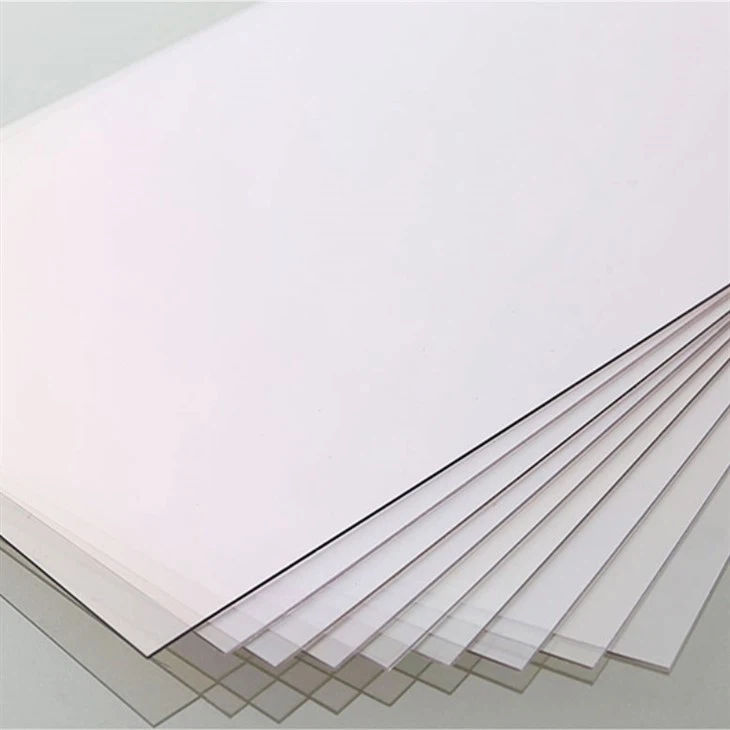
Before we dive into the cutting process, let's first understand what APET sheets are. APET, or Amorphous Polyethylene Terephthalate, is a thermoplastic polyester. It is known for its clarity, excellent stiffness, and good chemical resistance. APET sheets are widely used in various industries, including packaging, display, and signage. They come in different thicknesses and sizes, which can influence the cutting method you choose.
You can learn more about APET Sheet on our website.
Tools Required for Cutting APET Sheets
The choice of tools depends on the thickness of the APET sheet and the type of cut you need to make. Here are some common tools used for cutting APET sheets:
Utility Knife
A utility knife is a versatile tool for cutting thin APET sheets (usually up to 3mm thick). It's suitable for straight cuts and can be used to score the sheet before breaking it along the scored line. Make sure to use a sharp blade to ensure a clean cut.
Circular Saw
For thicker APET sheets, a circular saw can be a great option. You'll need to use a fine-toothed blade designed for cutting plastics. This tool can make straight cuts quickly and accurately, but it requires more skill and safety precautions.
Laser Cutter
Laser cutters are ideal for making intricate and precise cuts on APET sheets. They can create complex shapes with high accuracy. However, laser cutters are more expensive and may not be practical for small-scale operations.
Jigsaw
A jigsaw can be used for cutting curved or irregular shapes on APET sheets. Similar to a circular saw, you'll need a blade suitable for cutting plastics.
Cutting Process
Now that we've covered the tools, let's go through the cutting process step by step.
Step 1: Measure and Mark
Before cutting, measure the APET sheet carefully and mark the cutting line using a ruler and a marker. Make sure the marks are clear and accurate. If you're making multiple cuts, use a template to ensure consistency.
Step 2: Prepare the Workspace
Set up a clean and stable workspace. If you're using a saw, make sure the sheet is securely clamped to prevent it from moving during cutting. Wear appropriate safety gear, such as safety glasses and gloves.
Step 3: Choose the Right Cutting Method
- Scoring and Breaking (for thin sheets): If you're using a utility knife, place the blade on the marked line and apply firm pressure to score the sheet. Score the line several times to make it deeper. Then, place the scored line over the edge of a table and apply gentle pressure to break the sheet along the scored line.
- Using a Circular Saw: Adjust the saw blade to the appropriate depth for the thickness of the APET sheet. Start the saw and slowly guide it along the marked line. Keep a steady hand and maintain a consistent speed to ensure a smooth cut.
- Laser Cutting: If you're using a laser cutter, import the design into the cutting software and set the appropriate cutting parameters. Place the APET sheet on the cutting bed and start the cutting process.
- Jigsaw Cutting: For curved cuts, start the jigsaw and carefully guide it along the marked line. Move the saw slowly and steadily to avoid chipping or cracking the sheet.
Step 4: Finish the Edges
After cutting, the edges of the APET sheet may be rough. You can use sandpaper or a file to smooth the edges. Start with a coarse-grit sandpaper and then move to a finer-grit for a smoother finish.

Safety Precautions
Cutting APET sheets can be dangerous if proper safety precautions are not taken. Here are some safety tips to keep in mind:
- Wear Safety Gear: Always wear safety glasses to protect your eyes from flying debris. Gloves can also protect your hands from sharp edges.
- Ventilation: If you're using a saw or a laser cutter, make sure there is proper ventilation in the workspace to avoid inhaling plastic fumes.
- Tool Maintenance: Keep your tools in good condition. Dull blades can cause uneven cuts and increase the risk of accidents.
- Follow Manufacturer's Instructions: Read and follow the manufacturer's instructions for all tools and equipment.
Troubleshooting
Sometimes, you may encounter issues during the cutting process. Here are some common problems and solutions:
- Chipping or Cracking: This can be caused by a dull blade or applying too much pressure. Replace the blade and reduce the cutting speed.
- Melting or Burning: If the APET sheet starts to melt or burn during cutting, it may be due to a too-high cutting speed or a blade that is not suitable for plastics. Adjust the cutting speed and use a blade designed for cutting plastics.
- Uneven Cuts: Uneven cuts can be caused by a loose blade or an unstable workpiece. Make sure the blade is securely attached and the sheet is clamped properly.
Alternative Materials
While APET sheets are popular, there are other similar materials available, such as PETG Sheet. PETG, or Polyethylene Terephthalate Glycol, is also a thermoplastic polyester. It has similar properties to APET but is more flexible and has better impact resistance. The cutting process for PETG sheets is similar to that of APET sheets, but you may need to adjust the cutting parameters slightly.
Contact for Purchase
If you're interested in purchasing APET sheets or have any questions about cutting them, feel free to contact us. We offer high-quality APET sheets in various thicknesses and sizes to meet your specific needs. Our team of experts is always ready to provide you with professional advice and support.
References
- "Plastic Materials Handbook" by John Murphy
- "Cutting and Machining of Plastics" by James F. Carley


