

Why Choose Us
Accept ODM/OEM service
There are more than 30 product categories, covering construction, decoration, advertising display, packaging, industrial manufacturing, etc., and ODM and OEM services can be provided.
One-stop Solution
We have a complete quality supervision and after-sales service system, which can provide you with a one-stop high-quality product supply service experience.
Professional Team
We have a standardized management system, experienced staff and professional technical team.
Fast delivery
HONTOP has more than ten production bases in China, which can guarantee fast delivery.
What is Polycarbonate Sheet
A polycarbonate sheet is a tough plastic (shaped into a transparent or opaque sheet) that absorbs little moisture as well as resists chemicals. It is also flame retardant and is not prone to impact damage. Since it has many desirable features, it has been adapted for many uses in place of glass, acrylic, and other materials.


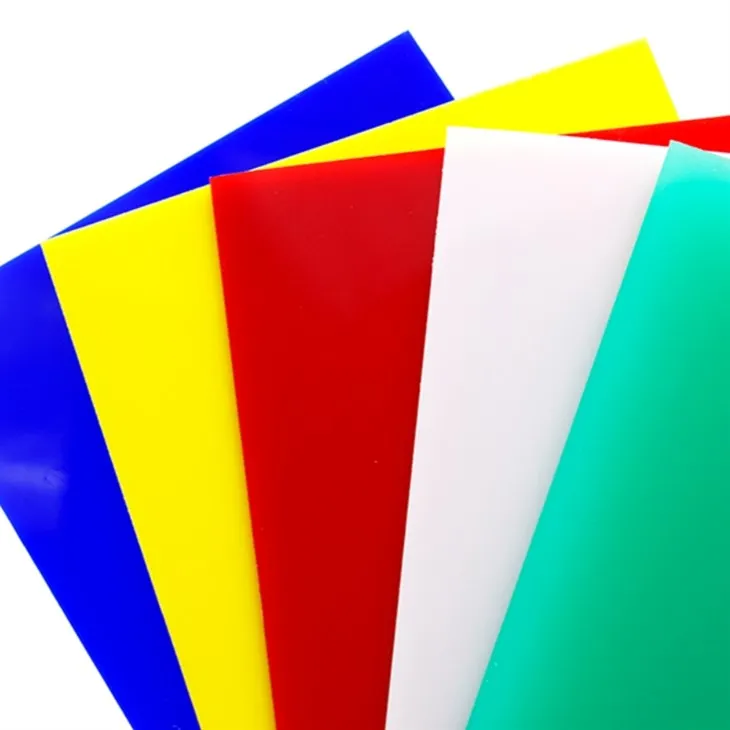


Benefits of Polycarbonate Sheet
Easy To Install
This is one of the incredible advantages you find when you choose polycarbonate. This is because these sheets are light in weight, and they are directly attached or fixed to a frame with simple tools such as support rods and screws. Since they are light in weight, it will be easy for you to handle, move, and store them.Here is the Installation Guide For Polycarbonate Roofing Sheet.
They Are Versatile
Polycarbonate sheets are versatile, and this means that they can be designed in many different styles. Therefore, with polycarbonate sheets, it is possible to design your building in attractive styles and shapes such as domes, kayak shapes, among others. Maybe here, you want to know more information about machining polycarbonate.
Sound Resistance
Many people face the challenge of working in places that are exposed to noise and other distractors. This is because external distractors easily capture their concentration and attention, resulting in low production. To get rid of these distractors, you need to install materials that will act as sound barriers. Polycarbonate sheets are one of the best sound resistance materials since they are capable of blocking sound; hence you will be able to carry out your activities without distraction.
High Resistance Of External Damage
Polycarbonate sheets are resistant to various damages such as fire, heavy rains, snow, and wind. Therefore, polycarbonate is the best option to take if you want to build your premises in places prone to fire outbreaks. Also, these sheets do not produce hazard fragments as compared to glass in case there is a breakage incident.
They Block Ultraviolet Light
Ultraviolet light is harmful because it damages the skin and the eyes when an individual is exposed to it. It's vital to ensure that you install your building with materials capable of protecting you against the ultra-violet rays. Therefore the polycarbonate sheets have a special ultraviolet coating on both sides; hence they will offer maximum protection from these harmful rays.
Types of Polycarbonate Sheet
Clear Polycarbonate
Polycarbonate has in recent years become an immensely popular choice for skylights, sign faces, covered walkways, and other instances where transparency is desired. There's good reason for that; after all, polycarbonate possesses impact resistance 250 times greater than that of glass while also exhibiting exceptional temperature resistance and tensile strength. What's more, our polycarbonate sheeting is warrantied against yellowing, hazing, breakage and any other defect that might lower its light transmitting capabilities. Simply put, you won't find a better material out there for consistent clarity and durability in even the harshest of environments.
Colored/Tinted Polycarbonate
Just because polycarbonate is strong doesn't mean it can't also be beautiful. If you're interested in using polycarbonate sheeting as part of an eye-catching display or advertisement, take a look at our colored polycarbonate sheeting offerings to find the material that'll serve as the centerpiece of your creation. These striking hues - combined with polycarbonate's ability to be cut or formed on site - make your imagination the only limit to your design.If you're looking for something a little more subtle (or for sheeting better suited for industrial and institutional environments), our tinted polycarbonate sheets may be more your speed. Each of these models can be ordered in bronze, light grey or dark grey, allowing you to boost the security of your facility while also maintaining true to its aesthetic.
Mirrored Polycarbonate
Everybody loves the look of glass, but nobody enjoys how easily it can be broken or otherwise marred. That's why mirrored polycarbonate has become the go-to material for those that need a mirrored surface that won't break if somebody looks at it funny. The automotive, dentistry, cosmetic and correctional industries - just to name a few - have all instituted polycarbonate mirrors in their products and facilities. That's because polycarbonate mirrors possess the clarity of glass and the strength to hold up in even the most brutal environments.
Bulletproof Polycarbonate
As long as we're talking about brutal environments, we may as well mention that polycarbonate sheeting also comes in a number of bulletproof varieties. This is the material that's commonly referred to as bulletproof "glass," a thick pane of polycarbonate that's used widely across the banking, law enforcement, security, and correctional industries. A&C Plastics guarantees its bulletproof polycarbonate for seven years against a wide variety of structural failures and flaws, a guarantee that'll give you peace of mind should the material ever be asked to live up to its namesake.

Application of Polycarbonate Sheet
Construction Of Farming Structures
Most of the farmers have adopted the use of polycarbonate when constructing various farm structures. These structures include greenhouses and nurseries.
Making Of Security Gears
Polycarbonate sheets are widely used to make protective gear such as riot shields and helmets. These gears are mainly used by security personnel.
Making Of Electronic Accessories
The polycarbonate sheets are light in weight, hence they are suitable in making electronic accessories and gadgets such as computers, smartphones, and compact disks, among others.
Glamping Dome Bubble Tent
Compare with PVC inflatable bubble tent, Polycarbonate Glamping Dome Bubble Tent is a 100% all-season bubble tent, it is durable, strong, safe, and easy to install.Know the difference between Inflatable bubble tents and glamping dome Bubble Tents and PVC tents Vs VIEWSKY Bubble tents.
Riot Shield
The main material of the riot shield is the polycarbonate sheet because it offers high impact resistance and lightweight.
Malleability
Polycarbonate sheets can be moulded for any type of use and application without compromising their strength, unlike certain types of plastic that can snap under pressure and with over usage. As a result, polycarbonate sheets are suitable for a wide variety of applications including roofing projects, installing windows, and more.
Lightweight Material
Polycarbonate sheets are lightweight, which means they're easy to carry and maneuver around from your vehicle straight to the jobsite.
Impact Resistance
Despite being incredibly lightweight, polycarbonate sheets are also very strong and durable. Polycarbonate is much lighter than glass, which makes it easier to transport from one area to another, but it's also a lot stronger, making it impervious to breakage. Polycarbonate's lightweight and impact resistance capabilities make it the perfect material for eyewear and even bulletproof windows for high-security-risk places like banks.
Natural Lighting and Transparency
Just like plastic and glass, polycarbonate is completely transparent, which allows for natural lighting to come through. As a result, polycarbonate is a great alternative for greenhouses and even skyscrapers where natural lighting is highly desirable.
Heat-Resistant
Not only is polycarbonate heat-resistant, but it can also be used in conjunction with other flame retardant materials while still maintaining its strength and structural integrity. Its heat-resistant capabilities make polycarbonate an ideal material for many engineering and construction projects that require working in hot outdoor conditions with heavy machinery that can become overheated.
Durability
As mentioned, polycarbonate is extremely durable and can withstand all kinds of applications and usage. It's 250 times more durable than glass and plastic, making it virtually indestructible on jobsites. Since it has a high impact resistance rating, polycarbonate is often used to protect structures and their contents against extreme weather conditions such as heavy winds, rain, snow, and hail.
Easy Installation
Polycarbonate installation is quick and easy. The sheets can be cut and reshaped to fit within any support structure or frame and the hardware that comes with it makes for easy mounting.
How to Choose Polycarbonate Sheet
Before diving into the selection process, it's essential to define your project requirements. Consider factors such as the desired level of impact resistance, light transmission, thermal insulation, and environmental factors. Are you building a greenhouse that requires maximum light transmission, or are you constructing a safety barrier that needs to withstand heavy impacts? By understanding your project's specific needs, you can narrow down your options and choose a polycarbonate sheet that best suits your requirements.
Quality is paramount when selecting polycarbonate sheets for your project. Look for reputable manufacturers like UNQ that adhere to stringent quality standards. Ensure that the polycarbonate sheets you choose are certified for quality and safety by recognized organizations. Certifications such as ISO 9001 assure product performance and reliability. By prioritizing quality and certification, you can avoid potential issues such as product defects and safety concerns.
Polycarbonate sheets come in various thicknesses, ranging from thin panels suitable for glazing applications to thick sheets designed for high-impact environments. Consider the level of strength and durability required for your project and choose the appropriate thickness accordingly. Thicker sheets offer greater impact resistance and structural integrity, making them ideal for applications where strength is critical. Evaluate the environmental factors and potential hazards that your project may encounter to determine the optimal thickness for your polycarbonate sheets.
Coatings can enhance the performance and longevity of polycarbonate sheets, providing additional benefits such as UV protection and improved scratch resistance. Explore the available coating options, such as UV-resistant coatings and anti-condensation treatments, to ensure optimal performance in your specific application. UV protection is particularly important for outdoor applications to prevent yellowing and degradation caused by prolonged exposure to sunlight. By selecting the right coating for your polycarbonate sheets, you can extend their lifespan and maintain their appearance over time.
Process of Polycarbonate Sheet
Raw Material Preparation
The first step is preparing the polycarbonate resin by blending BPA with stabilisers and UV absorbers. This mixture is melted to form a homogenous liquid.
01
Extrusion
The molten polycarbonate resin is then fed into an extruder, which applies pressure and heat to further melt the material. The extruder consists of a screw that pushes the molten resin through a die, shaping it into a continuous sheet.
02
Cooling and Solidification
As the extruded polycarbonate sheet exits the die, it passes through a series of cooling rollers or a water bath to rapidly cool and solidify the material. This controlled cooling process helps prevent warping and ensures uniform thickness across the sheet.
03
Trimming and Finishing
After solidification, the polycarbonate sheet is trimmed to the desired dimensions. It may undergo additional processes like surface treatments (e.g., UV protection coating) or texturing for specific applications.
04
Quality Control
Throughout the manufacturing process, quality control measures are implemented to ensure the final product meets the required standards. This includes checking for defects, verifying thickness and clarity, conducting various performance tests, etc.
05
How to Maintain Polycarbonate Sheet
Regular Cleaning
Maintaining the transparency and aesthetics of polycarbonate sheets requires routine cleaning: Use a mild soap or a designated polycarbonate cleaner mixed with water to clean the surface. Avoid abrasive cleaners and brushes that can scratch the sheet.
Soft Cloth or Sponge: Gently wipe the surface with a soft cloth or sponge. Rinse thoroughly with clean water to remove any soap residue.
Preventing Scratches
Polycarbonate sheets can be prone to scratching, so take precautions to minimize damage:Before using a cloth, gently brush off any loose debris or dirt to prevent scratching during cleaning.When wiping the surface, use a microfiber cloth to reduce the risk of scratches.


UV Protection
UV radiation can degrade polycarbonate sheets over time, leading to yellowing and reduced impact resistance:UV-Protective Coating: Consider using polycarbonate sheets with built-in UV protection or apply a UV-resistant coating to prevent degradation.Regular Inspection: Periodically inspect the sheets for signs of UV damage, such as discoloration or brittleness.
Repairs and Replacements
In case of damage or wear, it's essential to address issues promptly:Minor Scratches: Use a plastic polish or a specialized scratch remover to minimize the appearance of minor scratches.Larger cracks or breaks might require professional repairs or replacements to maintain the structural integrity.
Our Factory
HONTOP was founded in 2019 and is headquartered in Haining, Zhejiang Province, China. We are committed to providing customers with one-stop supply to meet their ODM and OEM customization services.HONTOP company currently has two industrial departments, "HONTOP Plastics" and "HONTOP Decoration", which are respectively engaged in the international export trade business of plastic sheets and decorative materials.HONTOP employees always adhere to the development concept of "Growth & Accompany".
Our certificate


FAQ
We're professional polycarbonate sheet manufacturers and suppliers in China, specialized in providing high quality customized service. We warmly welcome you to buy cheap polycarbonate sheet from our factory. For price consultation, contact us.
recyclable polystyrene sheet, industrial polycarbonate sheet, polystyrene glossy sheet