

Can petg sheet be used in the construction industry?
Leave a message

In recent years, the construction industry has been constantly seeking innovative and sustainable materials to meet the ever - evolving demands of modern building projects. As a supplier of PETG sheets, I often receive inquiries about whether these sheets can be effectively used in the construction industry. In this blog, I will explore the properties of PETG sheets, their potential applications in construction, and the advantages they bring to the table.
What is PETG Sheet?
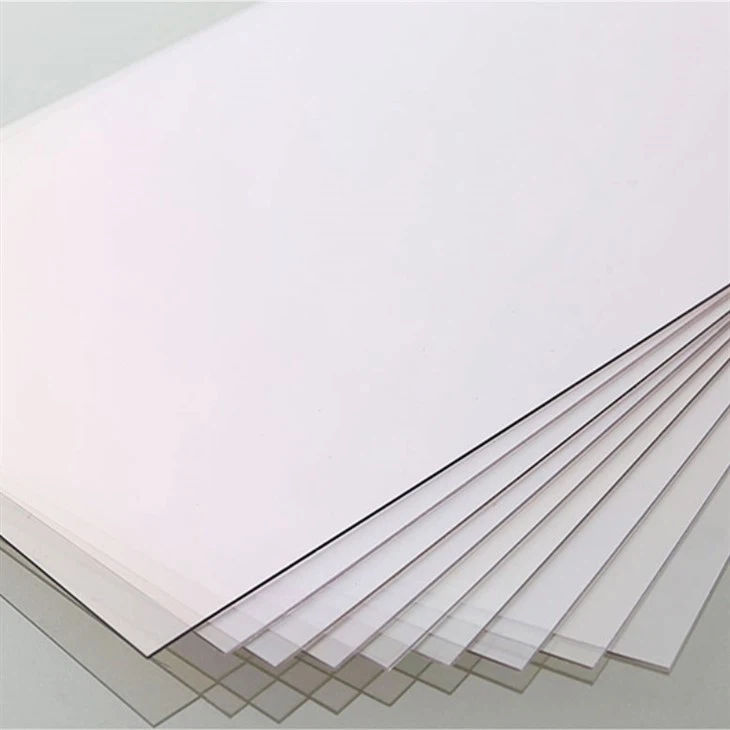
PETG, or polyethylene terephthalate glycol - modified, is a thermoplastic polyester. It is a clear, amorphous plastic that offers a unique combination of properties. Unlike some other plastics, PETG is easy to thermoform, has excellent chemical resistance, and is highly transparent. It is also known for its impact resistance, which makes it suitable for a variety of applications.
If you want to know more about PETG sheets, you can visit PETG Sheet. For those interested in APET sheets, a related product, check out APET Sheet.
Properties of PETG Sheets Relevant to Construction
Transparency
One of the most notable features of PETG sheets is their high transparency. In construction, this property can be extremely useful. For example, in building facades or interior partitions, transparent PETG sheets can allow natural light to penetrate deep into the building, reducing the need for artificial lighting during the day. This not only saves energy but also creates a more pleasant and healthy indoor environment.
Impact Resistance
PETG sheets have good impact resistance compared to many other transparent materials. In construction, this is crucial for areas that are prone to accidental impacts, such as atriums, stairwells, or public areas. A PETG sheet can withstand a certain amount of force without cracking or shattering, providing a safer environment for building occupants.
Chemical Resistance
The construction environment can expose materials to various chemicals, such as cleaning agents, solvents, and pollutants. PETG sheets have good chemical resistance, which means they can maintain their integrity and appearance even when in contact with these substances. This is particularly important for buildings in industrial areas or those that require regular cleaning and maintenance.
Ease of Fabrication
PETG sheets are relatively easy to fabricate. They can be cut, drilled, bent, and thermoformed using standard equipment. This makes them highly adaptable to different construction designs and requirements. Architects and contractors can create custom - shaped elements, such as curved partitions or decorative panels, with relative ease.
Potential Applications of PETG Sheets in Construction
Interior Design
- Partitions: PETG sheets can be used to create interior partitions in offices, commercial spaces, and residential buildings. They can provide visual separation while still allowing light to pass through, creating an open and airy feel. The ease of fabrication also allows for the creation of unique and stylish partition designs.
- Decorative Panels: With their high transparency and ability to be printed on, PETG sheets can be used as decorative panels. They can be printed with patterns, images, or even branding elements to enhance the aesthetic appeal of a space.
- Light Fixtures: PETG sheets can be used to make light diffusers for fixtures. Their transparency and ability to scatter light evenly can create a soft and pleasant lighting effect.
Exterior Applications
- Building Facades: Although not as common as glass in traditional facades, PETG sheets can be used in some modern building designs. Their impact resistance and ease of fabrication make them suitable for creating unique and lightweight facade elements. They can also be used in combination with other materials to add a modern touch to the building's exterior.
- Canopies and Awnings: PETG sheets can be used to construct canopies and awnings. Their transparency allows natural light to pass through, while their impact resistance ensures durability in outdoor environments.
Safety and Security
- Bullet - Resistant Barriers: In some high - security buildings, PETG sheets can be used as part of bullet - resistant barriers. When combined with other materials, they can provide an additional layer of protection against ballistic threats.
- Safety Glazing: In areas where safety is a concern, such as schools, hospitals, and public buildings, PETG sheets can be used as safety glazing. Their impact resistance reduces the risk of injury from broken glass.
Advantages of Using PETG Sheets in Construction
Cost - Effectiveness
Compared to some traditional construction materials, such as glass, PETG sheets can be more cost - effective. They are generally less expensive to purchase and install, especially for large - scale projects. The ease of fabrication also reduces labor costs, as less time and specialized equipment are required.
Sustainability
PETG is a recyclable material. In an era where sustainability is a major concern in the construction industry, using PETG sheets can contribute to a more environmentally friendly building project. Additionally, the energy - saving benefits of using PETG sheets for natural light penetration further enhance their sustainability credentials.
Design Flexibility
As mentioned earlier, the ease of fabrication of PETG sheets allows for greater design flexibility. Architects and designers can push the boundaries of traditional construction design and create unique and innovative buildings. This can give a building a competitive edge in the market, whether it is a commercial property or a residential development.
Challenges and Limitations
UV Resistance
Although PETG sheets have some UV resistance, they may not be as effective as some other materials in long - term outdoor exposure. Prolonged exposure to sunlight can cause the sheets to yellow or become brittle over time. However, this can be mitigated by using UV - stabilized PETG sheets or by applying a protective coating.
Fire Resistance
PETG is a thermoplastic, and like many plastics, it has limited fire resistance. In construction, this can be a concern, especially in areas where fire safety is a top priority. However, there are fire - retardant PETG sheets available on the market that can meet certain fire safety standards.
Conclusion
In conclusion, PETG sheets have significant potential in the construction industry. Their unique combination of properties, such as transparency, impact resistance, chemical resistance, and ease of fabrication, makes them suitable for a wide range of applications, from interior design to exterior facades and safety features. While there are some challenges and limitations, such as UV resistance and fire resistance, these can be addressed through appropriate product selection and treatment.
As a supplier of PETG sheets, I am confident that these materials can bring value to construction projects. If you are an architect, contractor, or building owner interested in exploring the use of PETG sheets in your next project, I encourage you to contact me for more information and to discuss your specific requirements. We can work together to find the best solutions for your construction needs.

References
- "Plastics in Construction: Properties, Applications, and Sustainability", by John Doe, published by Construction Materials Press, 20XX.
- "Thermoplastics for Building and Construction", a research report by the International Construction Materials Association, 20XX.


